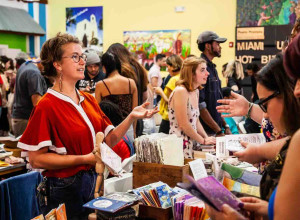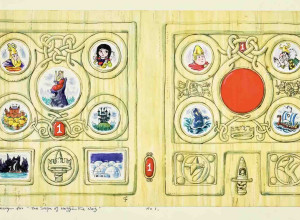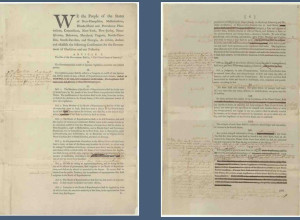



Those lessons shaped From the Brink: Contributions to a Sustainable Future from across Cornell, a three-year exhibition series that asks: How can a single theme help us see the connections among fields that often seem unrelated?
The resulting effort spans science, music, biodiversity, language, labor history, and rare collections. Each exhibition stands on its own, and together they develop a complex narrative. Sustainability relates to much more than environmentalism. Culture, communication, work, creativity, history, and how human decisions shape the future intersect through a concern for sustainability. Importantly, none of these subjects exists in isolation. We may work in different departments, study different disciplines, and steward different collections, but the challenges we face and the solutions we pursue are deeply interconnected.
The series began in November 2025 at Mann Library with Hello, Human! The Emerging Science of Plant Communication and Smart Agriculture, created in partnership with Cornell’s Center for Research on Programmable Plant Systems (CROPPS). The exhibition explored how understanding communication within the natural world can help address pressing challenges such as climate adaptation and food security. Through interactive displays, visitors encountered emerging research on the signals plants use to communicate stress and how scientists are learning to interpret them.
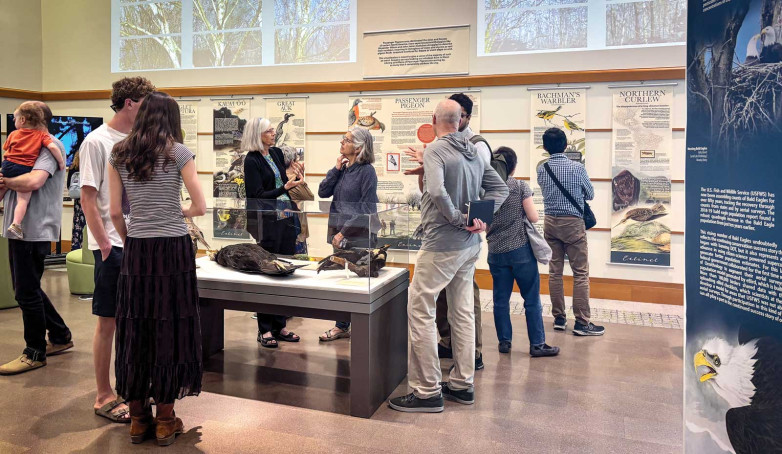
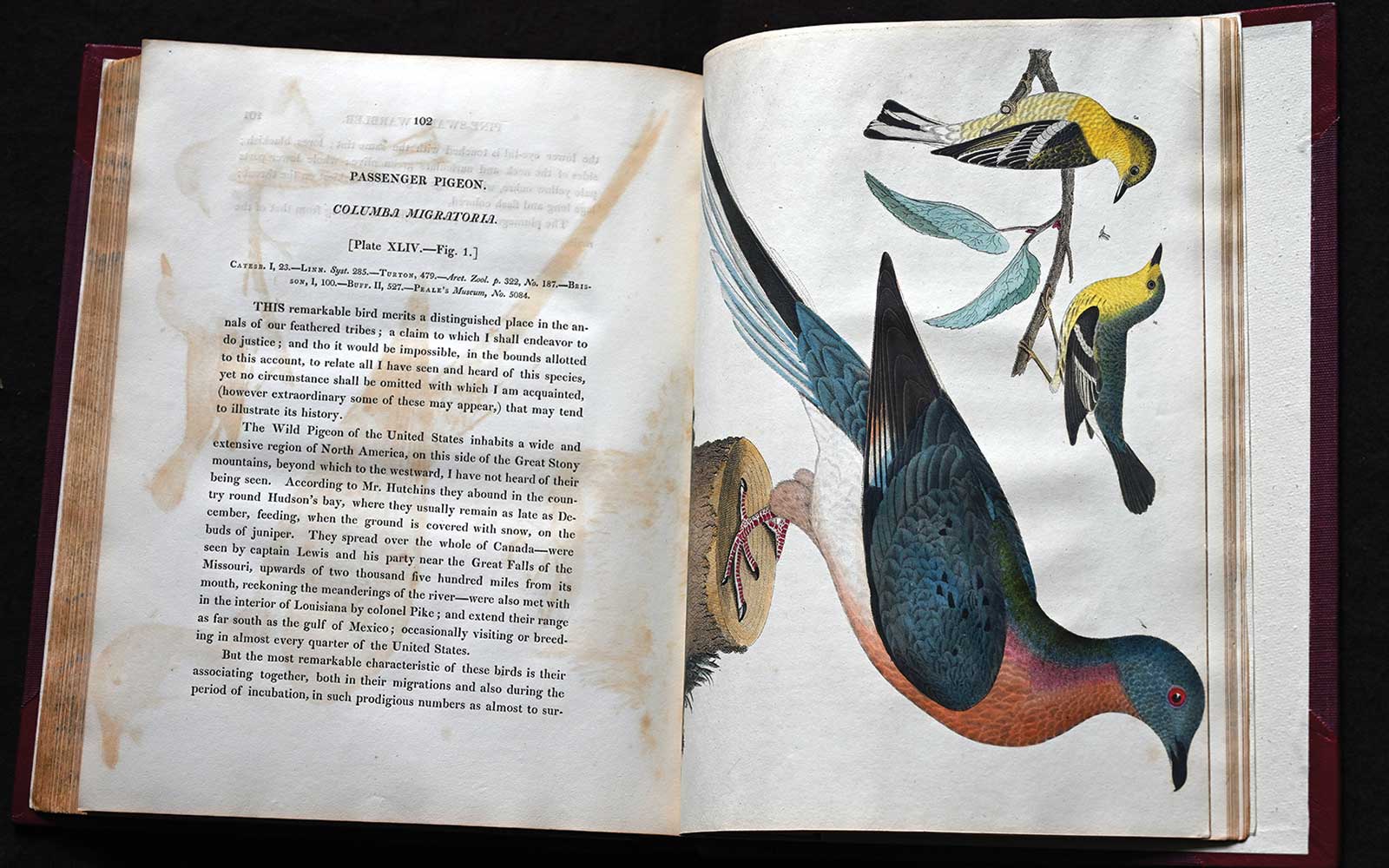
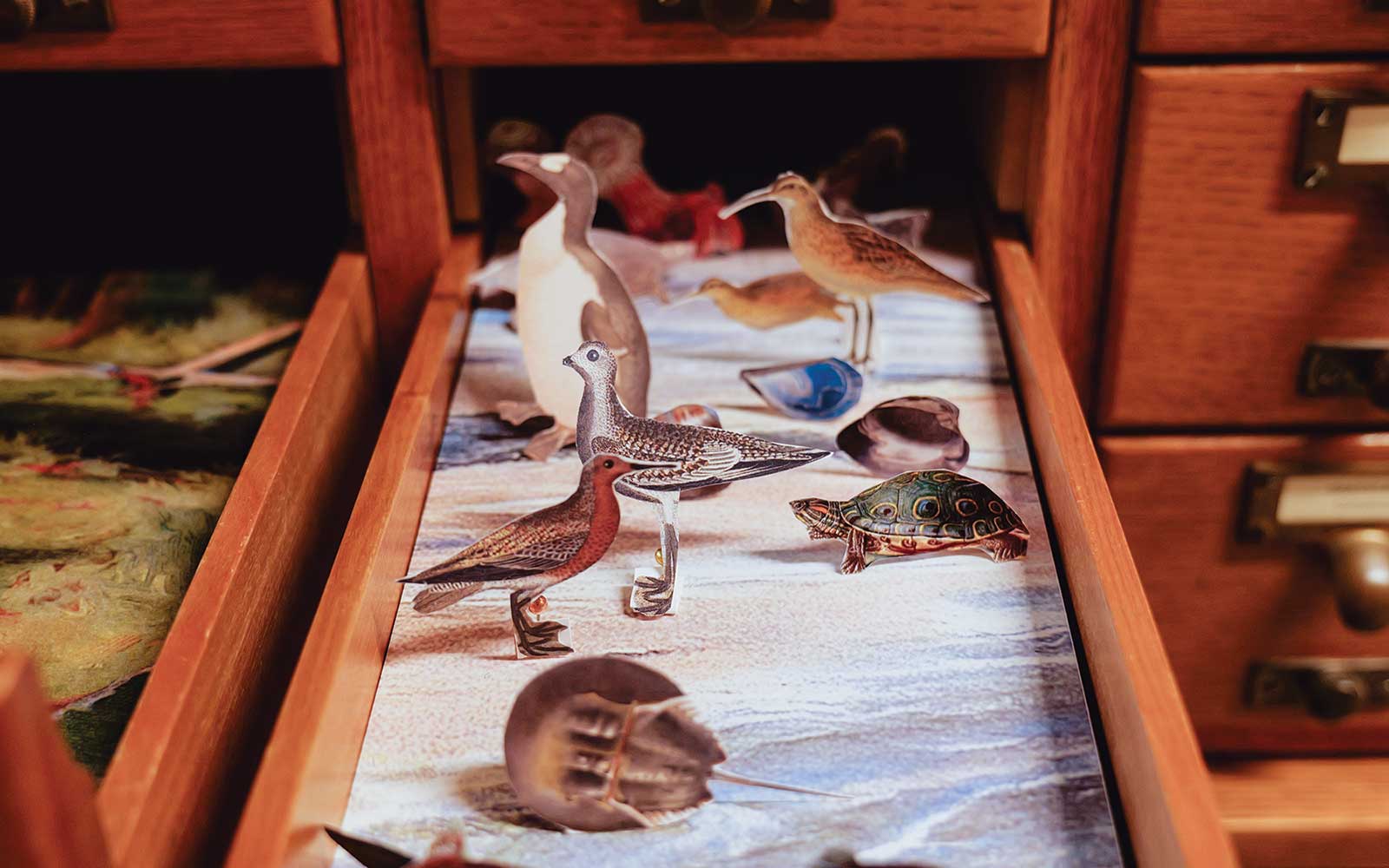
That theme of communication extends throughout the series. At Mann Library, exhibitions developed with partners from the Cornell Lab of Ornithology, the Cornell Museum of Vertebrates, Cornell Botanic Gardens, and Library collections explore what happens when natural systems fall silent. Through stories of bird decline, habitat loss, conservation, and recovery, the exhibitions invite visitors to consider both the fragility and resilience of the living world. As curator Jenny Leijonhufvud notes, the exhibitions are designed to help people understand not only what is being lost, but also what can still be protected. Together, these exhibitions suggest that sustainability begins with attention: learning to recognize the signals around us, understanding the connections that bind ecological systems together, and responding before those connections are lost.
Other exhibitions demonstrate how a shared theme can be interpreted through entirely different forms of knowledge and expression. At the Sidney Cox Library of Music and Dance, Music of the Natural World approached sustainability through sound, inviting visitors to engage with environmental change through listening rather than data. Curated by music librarian Lenora Schneller, the exhibition drew on music that both celebrates the beauty and resilience of the natural world and reflects on the consequences of ecological loss, creating space for visitors to slow down, listen deeply, and consider humanity’s relationship with the environment through a distinctly artistic lens.
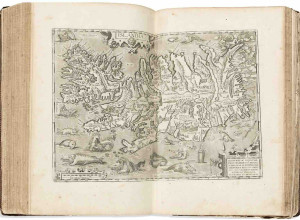
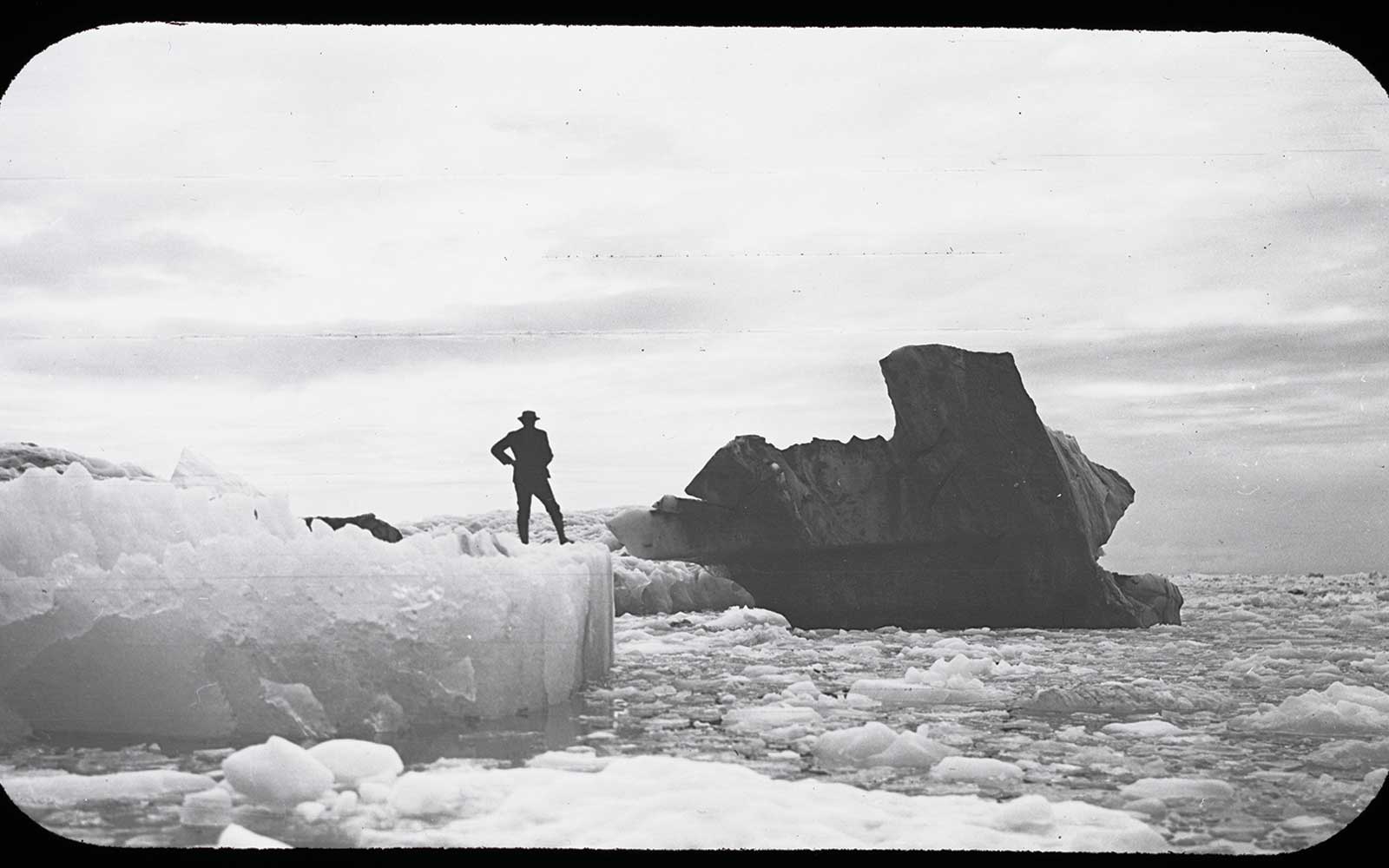
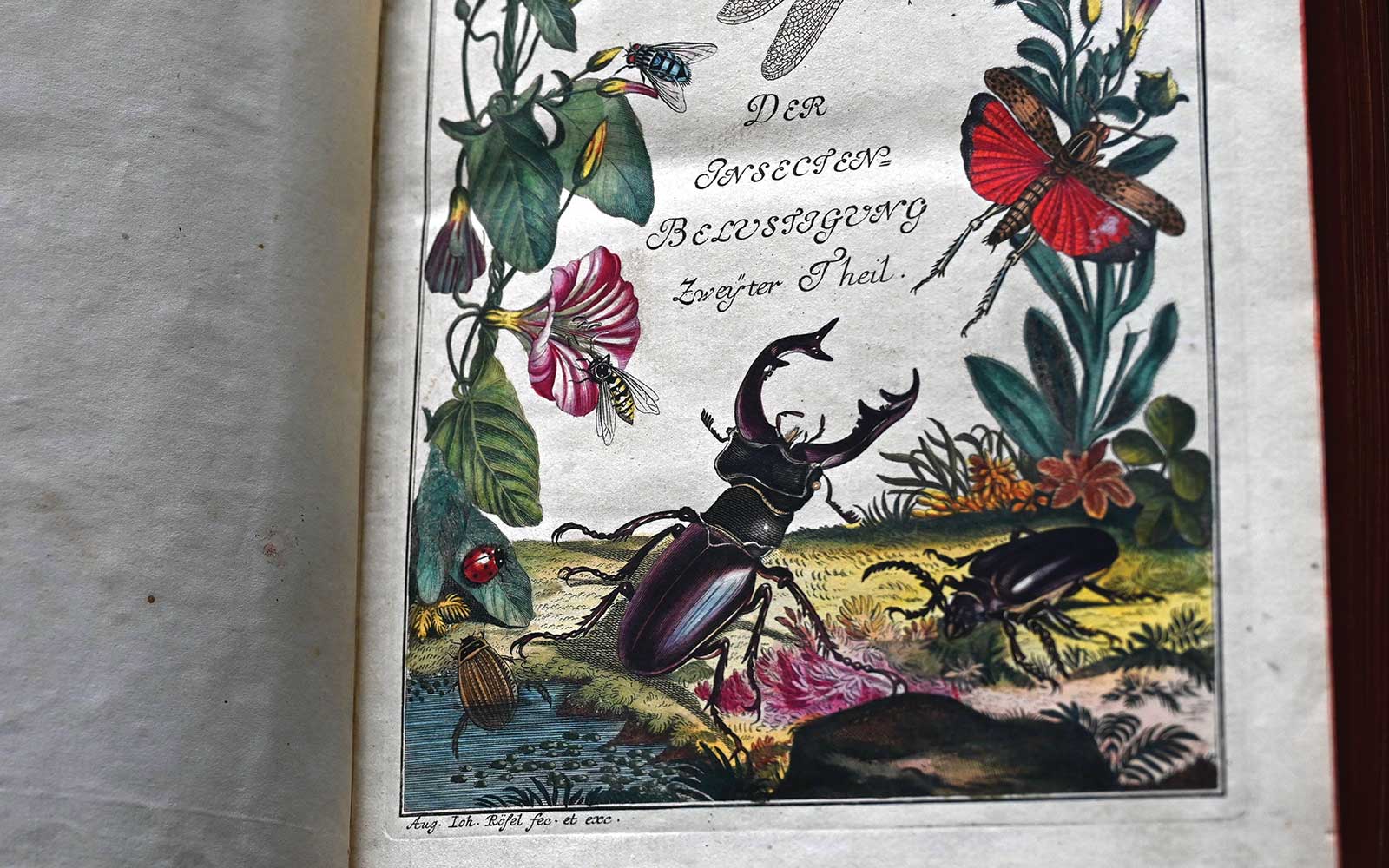
Other exhibitions broaden the conversation further. Rivers of Ice: Three Centuries of Glacial Science (open through August 27, 2027) demonstrates how historical collections can illuminate contemporary challenges. Drawing on the remarkable holdings of Cornell’s Rare and Manuscript Collections, including the renowned Fiske Icelandic Collection, the exhibition brings together centuries of observations, images, and research to reveal environmental change across generations. By placing historical records alongside contemporary documentation, it transforms abstract warnings about a warming climate into visible evidence of how quickly landscapes, ecosystems, and human understanding can change.
Languages at the Brink: Threatened Languages and How We Protect Them (open through May 2027) explores another form of loss: the disappearance of languages and the cultural knowledge they carry. Curated by Phil Robinson, linguistics selector, in collaboration with partners across Cornell, the exhibition transforms a passageway into a space for listening and reflection. By immersing visitors in endangered languages from around the world, it highlights a powerful parallel between linguistic and biological diversity. Like species, languages evolve, adapt, and sometimes disappear. The exhibition underscores the vital work of Cornell researchers and Library specialists to document, preserve, and sustain these irreplaceable expressions of human culture for future generations.
Finally, Weathering the Storm: The Role of Labor in an Era of Climate Change (open through August 15, 2027) expands the conversation about sustainability beyond the environment to the people most affected by a changing climate. Curated by Marcie Farwell, the exhibition draws on the Kheel Center for Labor-Management Documentation and Archives and the Cornell Fashion + Textile Collection at the College of Human Ecology to examine how workers, advocates, policymakers, and designers have adapted to new environmental realities. Through archival materials and material culture, it highlights the ongoing effort to create safer, more sustainable workplaces, underscoring that resilience depends not only on protecting natural systems, but also on safeguarding human well-being.
Viewed together, these exhibitions reveal the central insight of From the Brink: none of us operates in isolation. Scientific discoveries influence agriculture. Climate change affects labor. Cultural preservation intersects with environmental stewardship. Music shapes the way we understand the world around us. The boundaries between disciplines are often far less significant than the connections among them.
As institutions are asked to do more with limited resources, collaboration becomes a strategy for creating deeper understanding and impact. By bringing together collections, researchers, students, and staff from across Cornell, From the Brink demonstrates the unique role a library can play as a connector: not simply preserving knowledge, but helping people see relationships they might otherwise miss.
The series ultimately offers a hopeful message. The challenges explored in these exhibitions are complex and often sobering, but they are also shared. Understanding that our actions affect one another, across disciplines and across communities, is the first step toward building a more sustainable future. The exhibitions remind us that no system exists in isolation. Enduring solutions often are found at the overlapping areas between fields rather than fully within any one area.