History and Legacy of Irish Literature Focus of New Exhibition
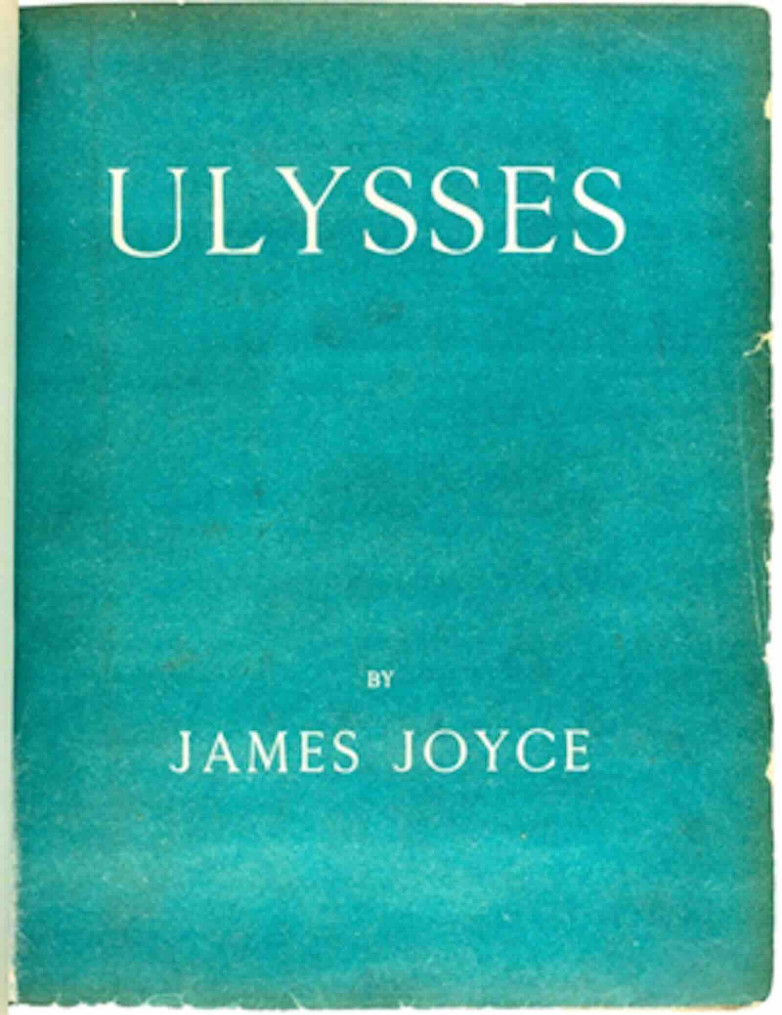
Ulysses by James Joyce (Paris, Shakespeare and Company, 1922)



The New York Historical museum explores the history of literary Ireland in a new exhibition opening tomorrow featuring more than 135 rare books, manuscripts, broad sheets, playbills, drawings, prints, and illustrations.
On view through January 17, 2027 and drawn from the Leonard L. Milberg Collections of Irish Literature at the Princeton University Library and his private collection, Irish Literature: History and Myth Since 1798 reveals how closely the literature, history, and politics of Ireland entwine across the last two centuries.
“Irish literature has long flourished and circulated beyond the confines of its small island, coming to American shores through the Irish diaspora,” said Dr. Louise Mirrer, president and CEO, The New York Historical. “The exhibition explores how Irish literature provides a model for why art matters in times of crisis, how it functions as an agent of political transformation, and its power to craft alternative historical trajectories."
The exhibition spans Ireland’s history from 1798 to the present with literary examples from uprisings against the British empire, the 19th century famine, the creation of Northern Ireland and formation of an independent Irish state, ongoing fights for gender equality, and late 20th century sectarian violence.
Among the authors featured in the exhibition is Maria Edgeworth, an important early 19th century Anglo-Irish novelist who wrote scathingly about British and Anglo-Irish upper-class society, and influenced Jane Austen and Sir Walter Scott with her regional novels. Manuscript letters, her portrait, and the unpublished illustrations of characters from Castle Rackrent, her most famous novel, are on display.
Jane Elgee - later Lady Jane Wilde, Oscar Wilde's mother - rose to fame as a nationalist poet publishing in the Nation magazine in the 1840s. On display is The American Irish, Wilde’s pamphlet from circa 1877 which outlines 700 years of Ireland’s colonial oppression. Wilde believed American values, energies, and respect for human rights created new possibilities for Irish regeneration, viewing Irish America as the place where true revolution against British rule would foment.
Other highlights include:
- vintage editions of Dracula by Bram Stoker
- a manuscript draft by Samuel Beckett of a 1961 radio play, Words and Music
- a first edition of Ulysses by James Joyce